Key takeaways
- Dust, pollen, pet dander, dust mites and mold are common indoor triggers.
- Damp dusting and vacuuming with a sealed or HEPA-filtered vacuum remove more than dry dusting.
- Wash bedding weekly in hot water and keep humidity in a comfortable range.
- A cleaning crew can reduce triggers, but it is not a medical treatment.
Know your triggers
Common indoor allergy and asthma triggers include dust and dust mites, pet dander, pollen carried in on clothes and shoes, mold and cockroach and rodent droppings. Which ones matter depends on the person, and a doctor can help identify them.
The EPA publishes plain guides to reducing triggers at home.
Cleaning habits that help
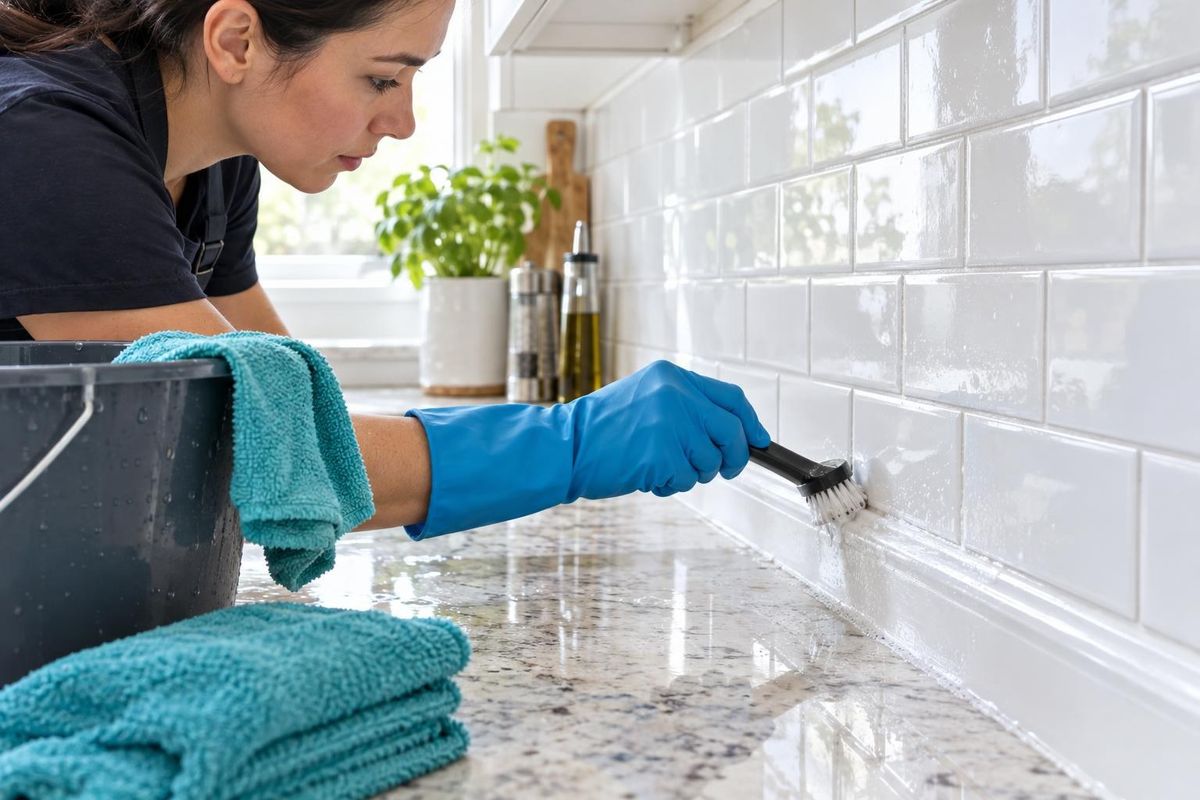
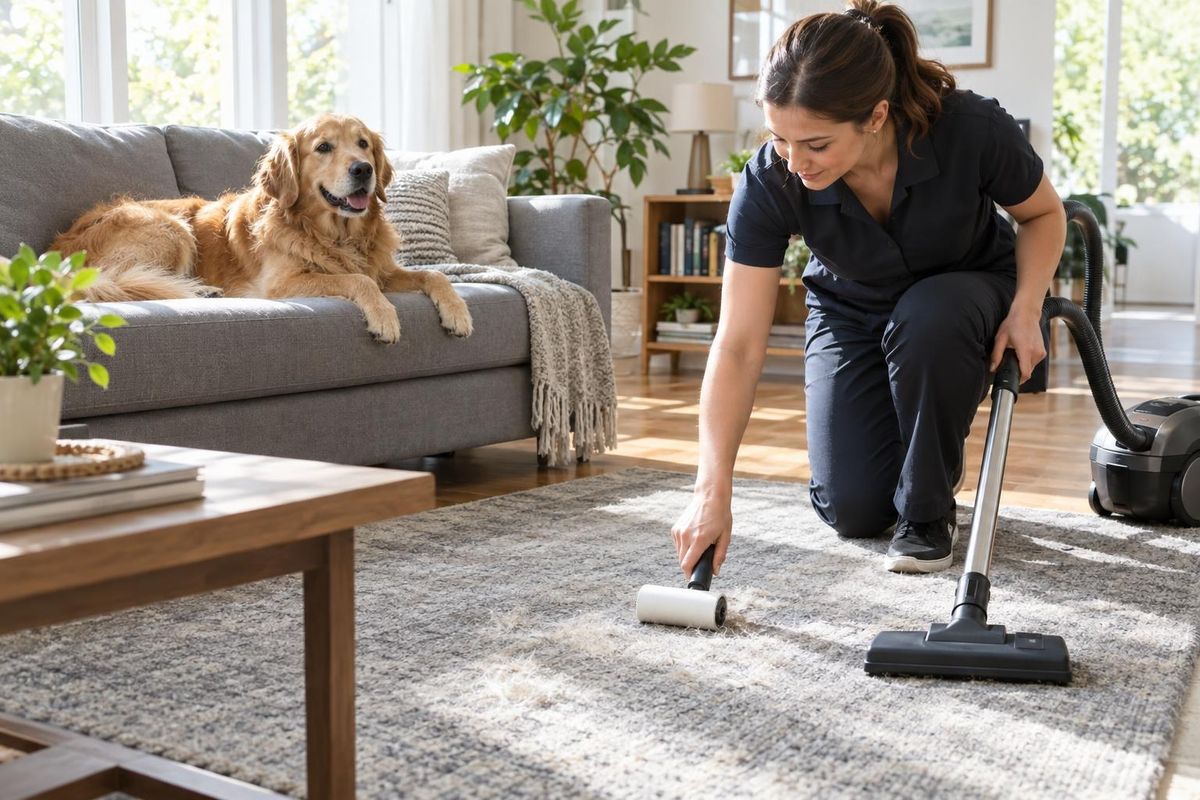
Damp dust, rather than dry, so dust is trapped instead of sent into the air. Vacuum carpets and upholstery at least weekly with a vacuum that has a sealed system or a HEPA filter. Wash bedding weekly in hot water, wash or replace pillows regularly and keep stuffed toys to a minimum in bedrooms. Remove shoes at the door and brush pets outdoors.
Hard floors and washable rugs are easier to keep free of dust than wall-to-wall carpet.
Moisture and ventilation
Dust mites and mold thrive in damp air. Keep indoor humidity in a comfortable range, use exhaust fans in bathrooms and kitchens, fix leaks quickly and dry wet items within a day or two. In Middle Tennessee's humid summers, a dehumidifier can help.
Change the HVAC filter on schedule and make sure it fits snugly.
What a cleaning crew can do
A crew can damp dust, vacuum thoroughly, wash bathroom surfaces, clean the places where dust and mold collect and use fragrance-light products when you ask. Tell us about your triggers so we can focus on them. A cleaning visit helps reduce triggers, but it does not replace medical advice.
If you notice visible mold or recurring moisture, call a qualified professional to find the source.
Official sites to explore
Brand names and logos belong to their owners. These links open the official websites in a new tab, and we are not affiliated with them.
- U.S. EPA: Asthma Triggers and How to Gain ControlHow to reduce common indoor triggers such as dust, mold and pet dander.
- U.S. EPA: Indoor Air QualityFederal information on the sources of indoor air pollution and how to reduce them.
- U.S. EPA: Improving Indoor Air QualityPractical steps for controlling sources, ventilating and cleaning the air.
- U.S. EPA: A Brief Guide to Mold, Moisture and Your HomeA plain guide to controlling moisture so mold does not take hold.
Quick answers
Is damp dusting better than dry dusting?
Yes. Damp cloths trap dust instead of lifting it back into the air.
How often should I vacuum?
At least weekly, and more often with pets or allergies.
Can cleaning cure my allergies?
No. It can reduce triggers. Ask your doctor about symptoms and treatment.